Our impact

Case study · Public health

Verified staff attendance in 544 public health complexes

Upazila health complexes are often the first point of care for rural patients in Bangladesh. Since September 2023, the Directorate General of Health Services (DGHS) has verified staff attendance on 621 Tipsoi devices, replacing self-signed registers.

Partner with us
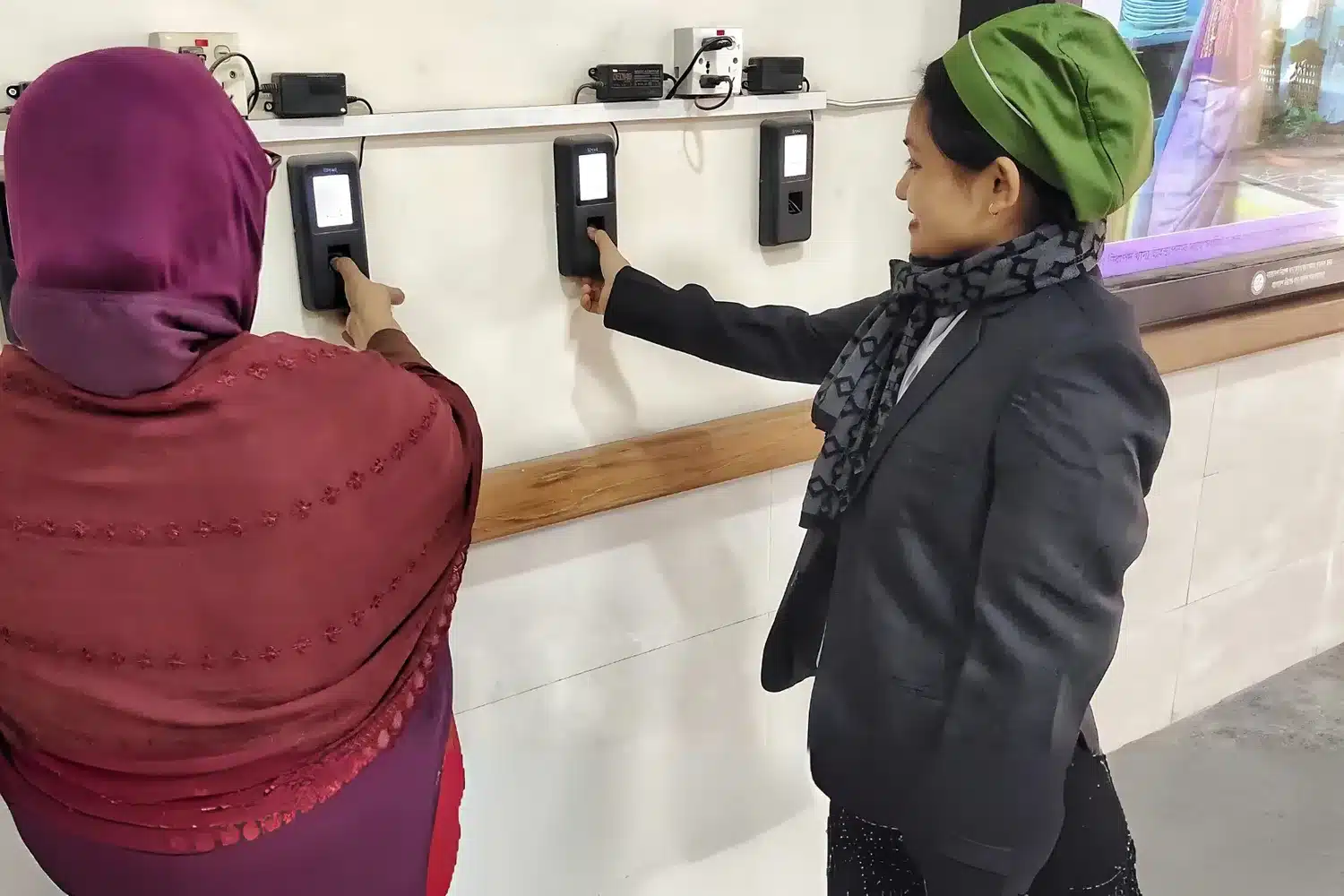
Two health staff checking in on wall-mounted Tipsoi attendance devices at a government health complex in Bangladesh
Live since September 2023
Partner
DGHS, Ministry of Health and Family Welfare
Health complexes
544
Devices
621
Live since
Sep 2023

Figures from DGHS records, August 2026

The partner

Public healthcare down to the upazila

DGHS was set up in 1958 and became a full Directorate General in 1980. It sits under the Ministry of Health and Family Welfare.

From Dhaka it runs public health administration through Civil Surgeons in each district and Upazila Health and Family Planning Officers in each upazila, where these health complexes sit.

DGHS headquartersDhaka
Civil Surgeonsdistrict level
544 health complexesupazila level, on Tipsoi
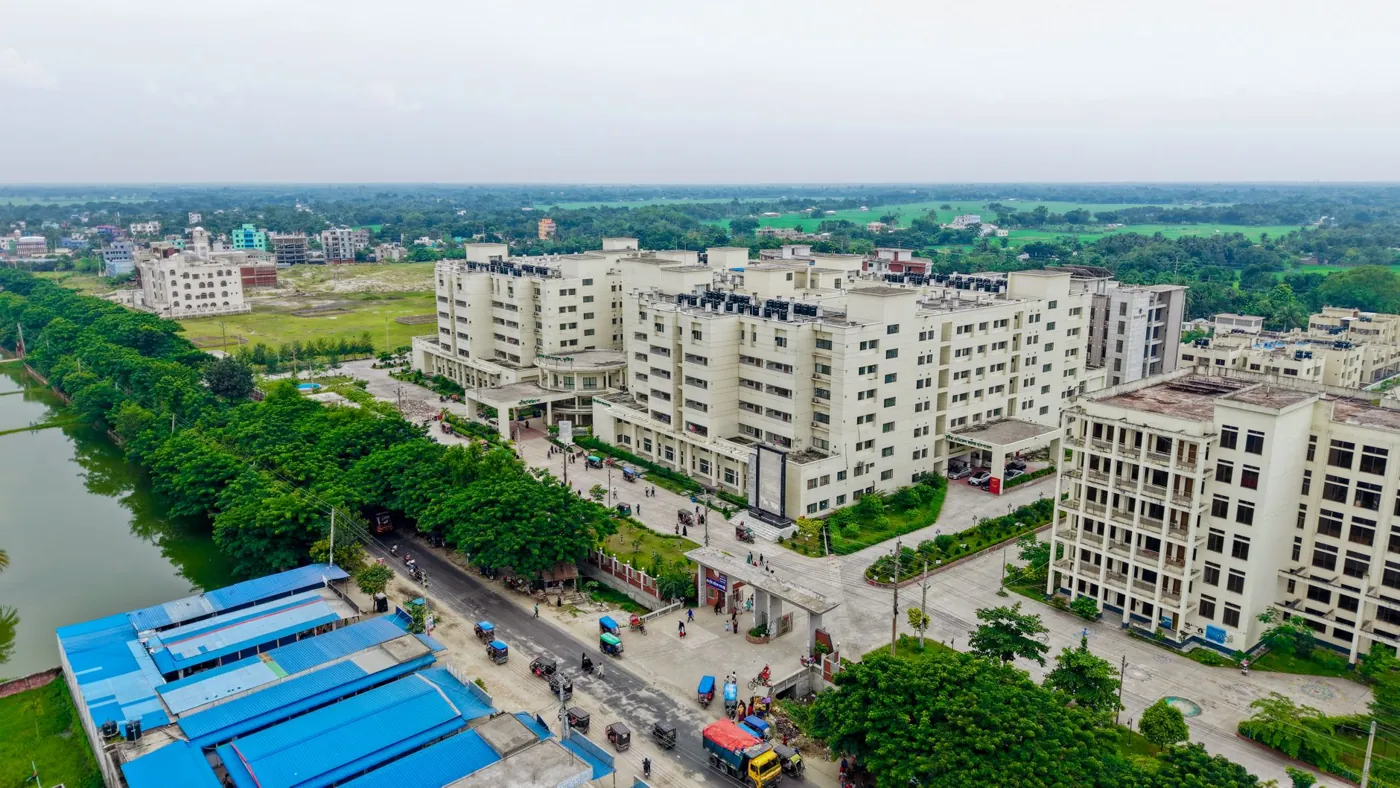
Aerial view of Kushtia Medical College campus in Bangladesh, surrounded by green fields

The challenge

Attendance nobody could verify

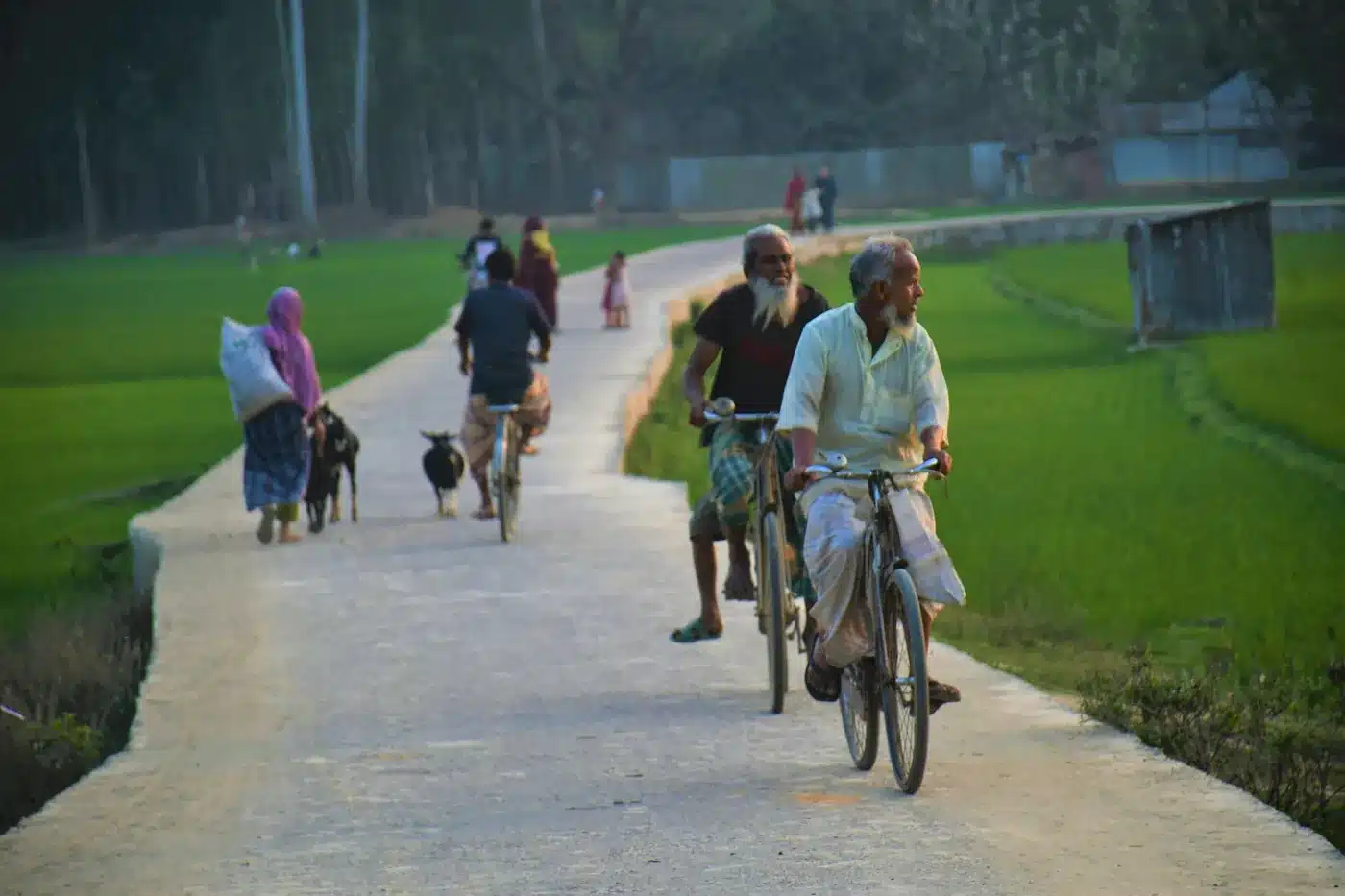
People cycling and walking along a rural road between rice fields in Rangpur, Bangladesh

Self-signed registers

Doctors and staff wrote their own entry and exit times and signed for themselves.

Silent device failures

Earlier devices lost connection, stayed off or broke, and DGHS only found out by phoning each facility.

Shared finger slots

A staff member could enroll one finger and let colleagues use the other nine, creating proxy attendance.

Unstable power and internet

Many facilities have inconsistent connectivity and unreliable grid power.
What we deployed

One device, three ways to check in

Face, fingerprint and card

Each facility uses the method that suits its staff. Face recognition closes the shared-finger gap.

UPS backup

The F80 keeps running when facility power drops.

Any connection

LAN or Wi-Fi, static or dynamic IP, to fit what each facility has.

On-site enrollment

The facility statistician, or a Medical Officer where none is posted, enrolls each person with a name and face photo.

Facility code lock

Each device is tied to the facility's official government code and will not connect without it.

How the data moves

From the wall to head office

  1. 01

    Check-in at the facility

    Staff check in on the F80 at their health complex.

  2. 02

    Tipsoi platform

    Records reach Tipsoi's central platform, and every device shows as online or offline.

  3. 03

    DGHS MIS

    DGHS's own management system pulls the data for its internal reporting.

Most complexes run one device. Larger sites run more, such as five devices at a burn unit and several at Chattogram District Sadar Hospital.

What the records show

Every device and check-in in view

544

government health complexes, each device locked to its official facility code

621

devices, each one's online or offline status visible at any time

3 years

of continuous attendance data since September 2023

DGHS no longer phones facilities to ask whether a device works. With face recognition, each check-in has to come from the enrolled person.

Figures from DGHS records, August 2026. Attendance rates and patient outcomes are still being gathered, and we will add them once confirmed.

Before and after

What changed at the facilities

Attendance tracking

Paper registers, self-reported

Biometric check-in, recorded independently

Data integrity

Shared finger slots allowed proxy attendance

Face recognition closes the gap

Device oversight

Phone each facility to ask

All 621 devices visible on one dashboard

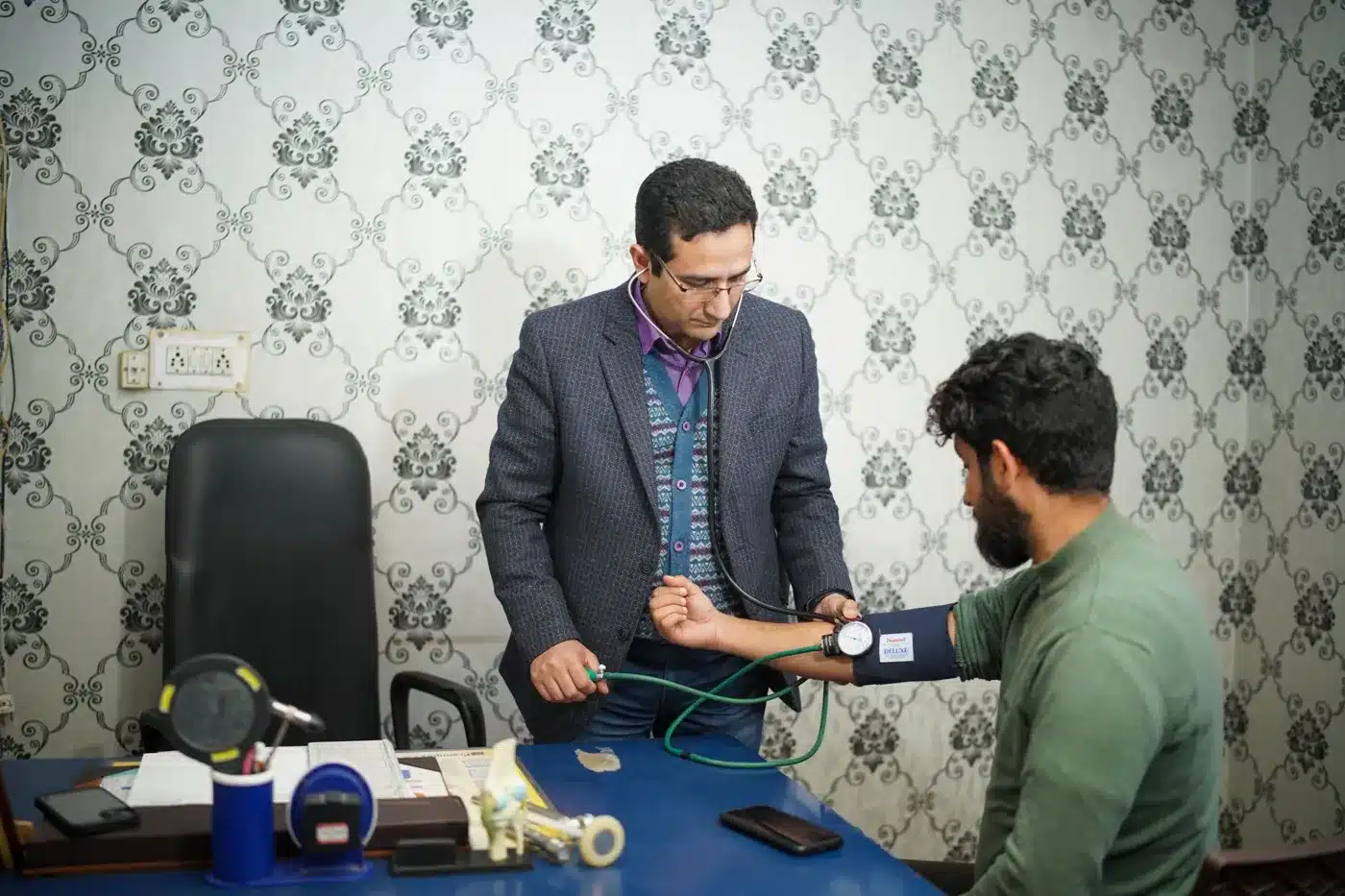
A doctor checking a patient's blood pressure during a consultation

Next step

Bring this to your health network

If you fund or run clinics or hospitals, tell us about your sites and their power and internet.