

Biometric access control, Türkiye
Biometric Access Control in Türkiye, Built Start to Finish by Tipsoi
Tipsoi designs, manufactures and programmes its own biometric access control readers, for centralised access control management across every site an organisation runs.
Trusted by banks, airlines and global manufacturers
A few of Tipsoi's 1,400+ client organisations.








How it works
Card first, then face, then your system
Two checks at the door. Your access platform still makes every access decision.
The readers are built to fit the HID credentials a critical site in Türkiye already issues and an OSDP access control platform such as Lenel OnGuard, so a security team can upgrade the door without rebuilding the system behind it.
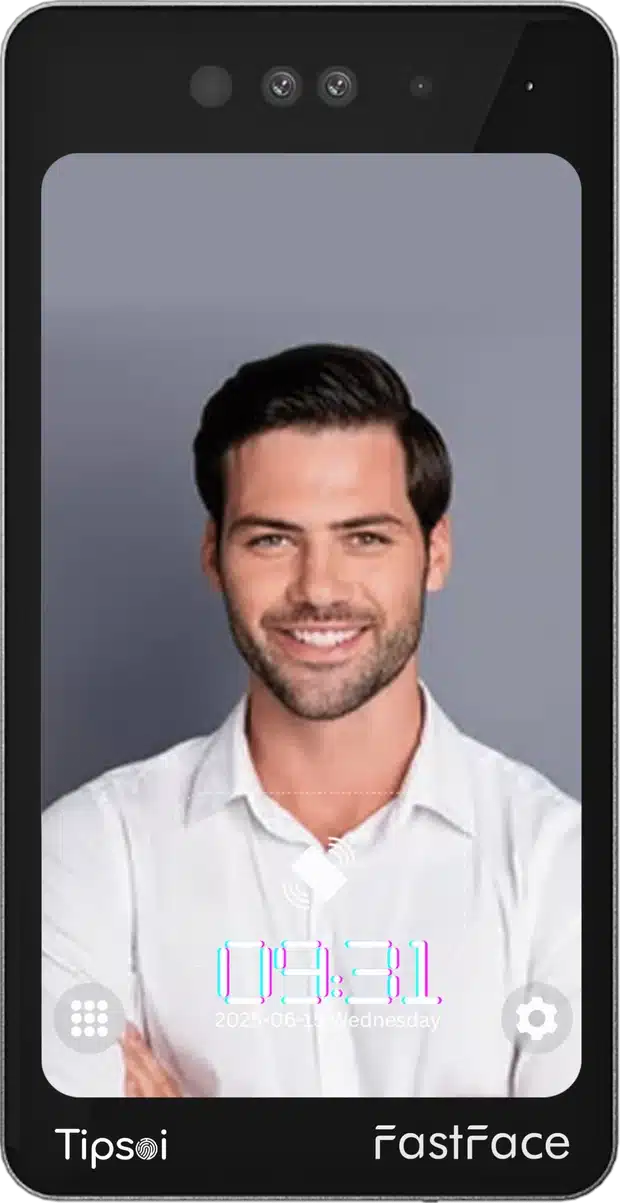 FastFace 8 FTCFace matched 1:1
- Tap the cardThe person taps their staff card on the reader.
- Reader checks the faceThe reader compares the live face with the face template stored on that person's own card.
- Your system opens the doorThe reader is designed to pass the card number to your access platform, which makes the access decision and opens the door.
The FastFace 8 FTC (Face Template on Card) reader checks the face is live, then matches it 1:1 to the card in 0.2 seconds or less. Card read plus face match takes under 1 second.
The link to the panel is designed to be OSDP (Open Supervised Device Protocol) version 2 Secure Channel, encrypted with AES-128 (Advanced Encryption Standard). With no face match, nothing is sent.
No faces on the hardware
The reader is designed to hold no face templates and no user records, so a reader that is stolen gives a thief nothing they can use.
Encrypted at every step
The template is held encrypted on the person's own card, and the result is designed to travel to the controller over OSDP Secure Channel.
A layer, not a replacement
It is designed to sit on top of the controllers, cards and policies a site already owns, so nothing a security team has already bought is thrown away.
What we can build
The reader and what it fits
One reader reads every card on your site, takes an ordinary reader position on the access control system you already run, and can be changed because we make it.
FastFace 8 FTC
One reader reads every card type listed below, detects the card type by itself and fits the door you already have. Your policy decides which cards also need a face check.
| Card plus face | HID SEOS cards carry the face template, so the reader also checks the face before it sends anything to the panel. |
|---|---|
| Card only | These cards are read for a tap alone: HID iCLASS, HID Prox, MIFARE DESFire, MIFARE Classic, MIFARE Ultralight and EM 125 kHz. |
| Card detection | It works out the card type itself, so nobody has to know which card they are holding. |
| Reading distance | The reader is specified to recognise a face from half a metre up to 2.5 metres away. Recognition distance is set on the device. |
| Working temperature | It is specified to work in cold down to minus 10 °C and in heat up to 50 °C. |
| Network link | It connects to your network by cable or by Wi-Fi. |
| Built to take knocks | It is CE (European conformity) and FCC (US Federal Communications Commission) certified, and IP65 dust and water-jet proof. |
| Connections | RS-485 with OSDP v2 Secure Channel, Wiegand input and output (an older reader wiring), relay, door sensor input, Ethernet and Wi-Fi. |
Works with your estate
Lenel OnGuard 8.1 to 8.4
The reader supports Lenel OnGuard versions 8.1 to 8.4, all versions, and is built to work as an ordinary reader with Lenel OnGuard, so OnGuard keeps every access rule, every access decision and every event log.
Built for your controller
It is designed to sit in the normal reader position on the RS-485 wiring, downstream of a LenelS2 or Mercury controller, where a standard card reader sits on your site today.
Supports OSDP Secure Channel
The reader supports OSDP (Open Supervised Device Protocol) version 2 Secure Channel, which is designed to encrypt the traffic between a reader and its panel with AES-128.
HID credentials, read natively
The FastFace 8 FTC reader reads HID iCLASS SEOS, HID iCLASS and HID Prox cards directly, so the credentials your security team already issues keep working.
One place to manage it
Because every reader reports to the platform your operators already use, a site gets centralised access control management across every door, in one console.
Custom hardware and firmware
Because the device is ours and the firmware is ours, both can be customised for the way your site actually runs its doors.
Tipsoi readers already run alongside a client's existing HID readers on one platform, as the IFIC Bank deployment below shows.
Integration
Connects to the systems you run
Tipsoi connects to the platforms an organisation already runs through open REST APIs, device software development kits and standard reader protocols.
People, cards, devices and access events move between systems without anything being replaced.
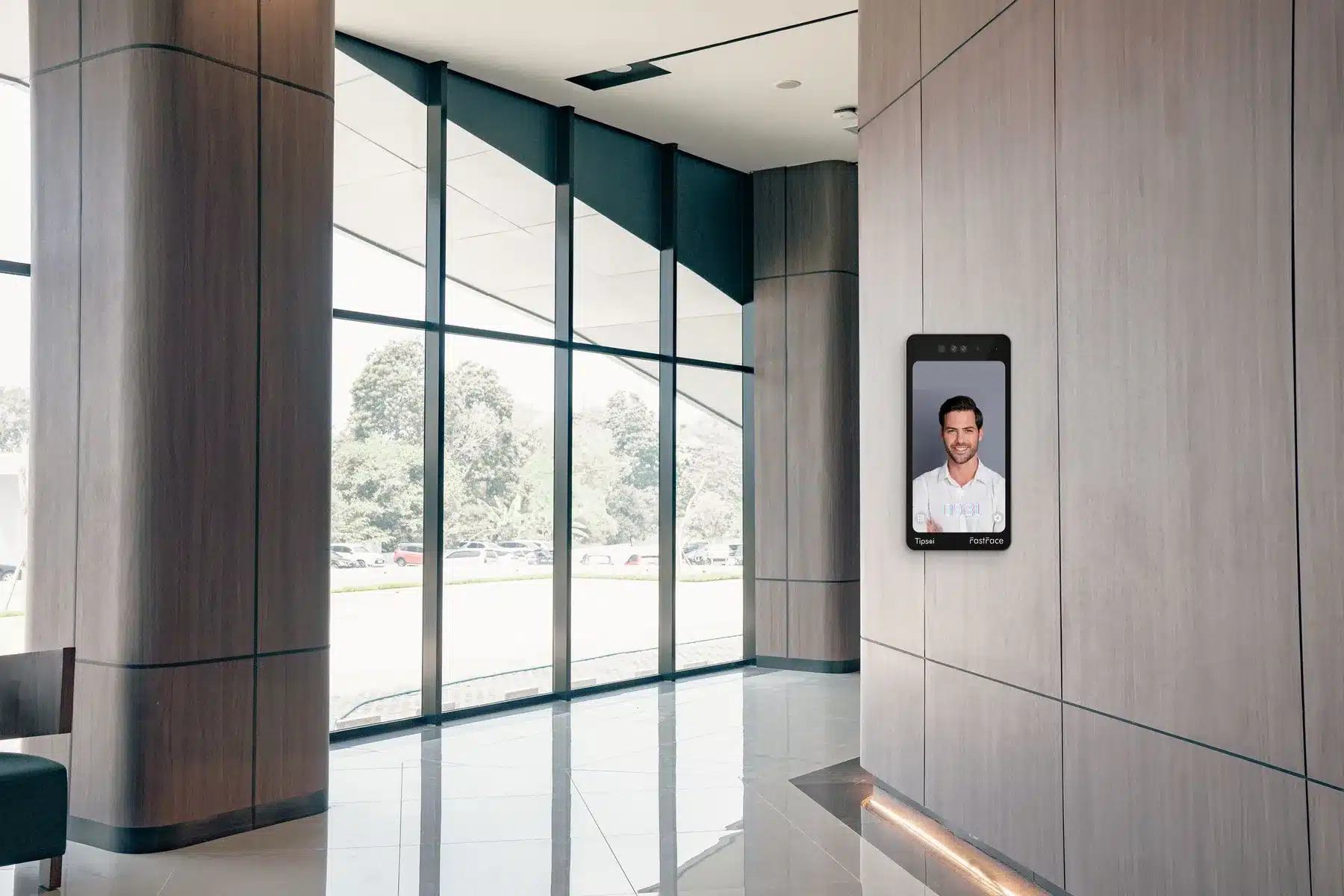
Standard reader protocols
The reader is designed to speak OSDP with Secure Channel and Wiegand, so it takes an ordinary reader position on an access control system a site already owns.
OSDP Secure ChannelWiegand
 Tipsoi
Open REST APIs
The platform offers open REST APIs, built to synchronise people, cards and devices and to pass access events into the enterprise systems a client already runs.
Device software development kits
Device SDKs are available, so a client's own software can be built to control enrolment, verification and device settings directly.
Deployed on your own servers
Both bank deployments below run inside the client's own network on the client's own servers, integrated with the client's own enterprise resource planning (ERP) system.
Enrolment
Enrol everyone from existing photos
FaceLink, the Tipsoi enrolment software, is designed to write each face template straight to the card, in bulk, from the staff photos an organisation already holds.
New joiners can also enrol at any reader.
 Face matched
Your staff photo
FaceLink reads the staff photos you already hold.
Face written to the card
It writes each person's face data straight to their own card.
Photo deleted
The photo is deleted once the card is written.
Where no photo exists, a person can enrol at the reader itself, and the template is designed to go straight to their own card. Nothing is kept in software either way.
Operations
Keeping the doors running
A reader fails. Fit a spare, and nobody enrols again. A reader goes offline, and your console is designed to show it at once.
- Reader failsA reader stops working at one door.
- Fit a spareA technician fits a spare reader at that door.
- Door works againThe door is designed to work exactly as before, and nobody has to enrol again.
- Gate 1, onlineA reader answering its poll normally is designed to show as online.
- Gate 2, onlineA second reader answering normally shows the same way, with no extra software.
- Gate 3, offlineA reader that stops answering is designed to raise an offline alarm straight away.
Because no face template and no user record sits in the reader, one spare model covers every door and no enrolment is repeated.
The reader supports the standard OSDP polling functions, so heartbeat, offline alarm, tamper alarm and Secure Channel status are designed to appear in the console your operators already use, with no extra monitoring software.
Research and development
We build the whole product ourselves
Hardware, firmware, face recognition and the software platform are all built and controlled by one engineering group, which is why a reader can be changed for a client instead of waiting on a supplier.
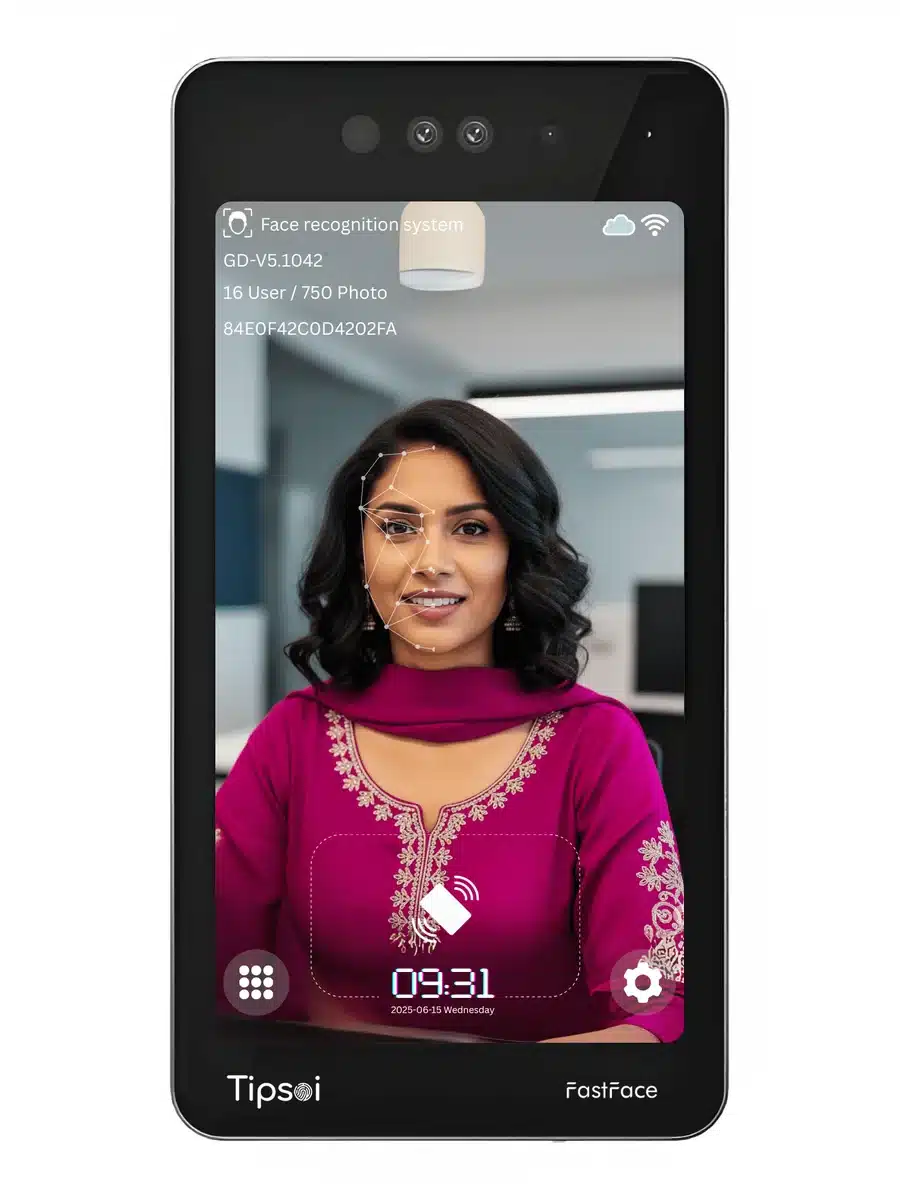
What it has produced
The FastFace 8 FTC reads seven card technologies, supports OSDP Secure Channel and is built to work with Lenel OnGuard versions 8.1 to 8.4. AKIS support is being built.
- Hardware
Our own readers
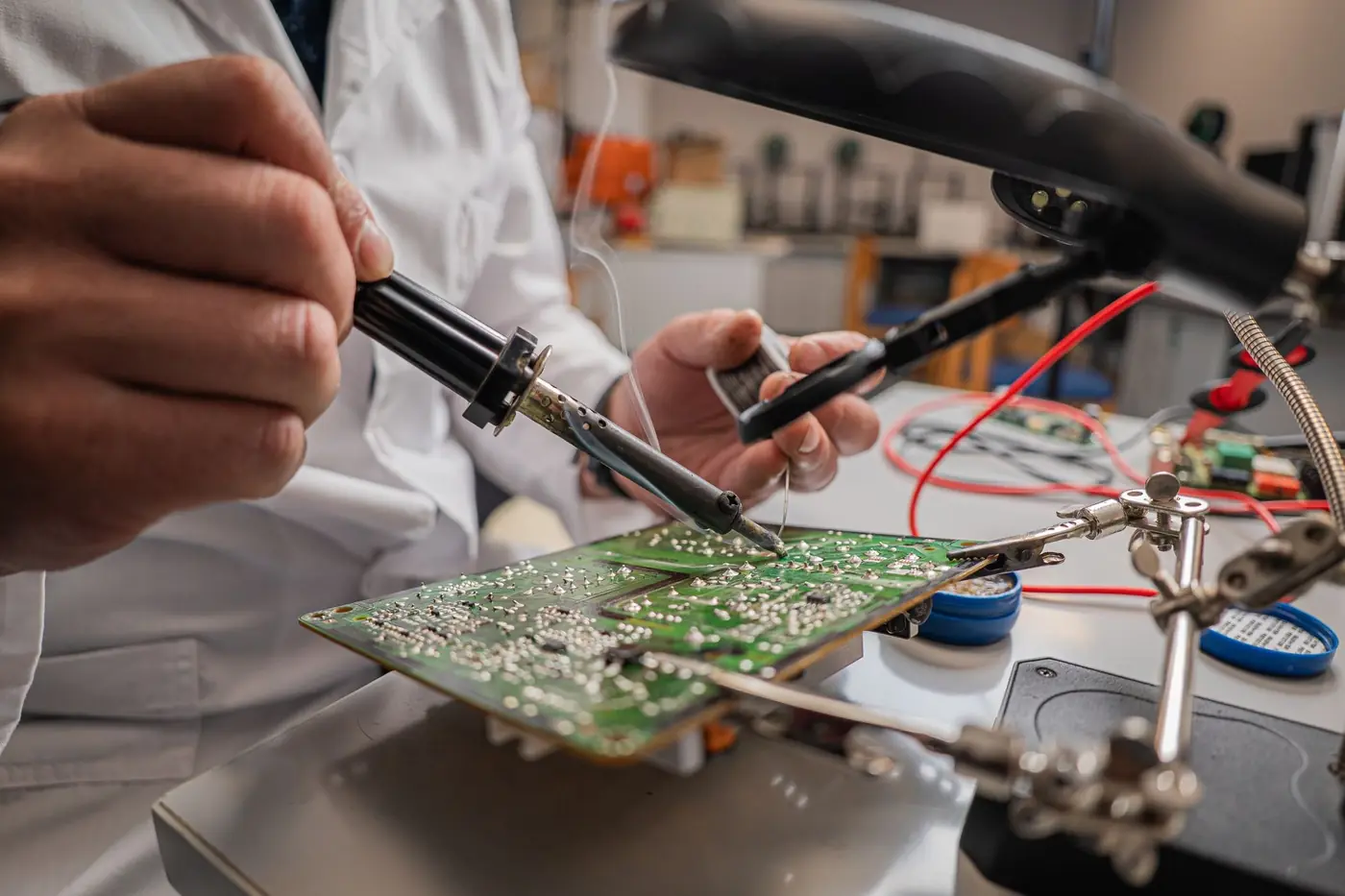
We design the hardware and circuit boards of our readers in house, so the hardware itself can be adapted to the doors on your site.
- Firmware
Our own firmware
The firmware inside the reader is written by our engineers, which is how a card type can be added or a door behaviour changed for a single client.
- Software
Our own face recognition
The face recognition engine and the software platform behind it are developed in house as part of a technology stack we build and control ourselves.
- Integration
System integration
System integration is done by the same engineers, so the reader is built to take its place on the access control system and the enterprise systems a client already runs.
- Supply
Supply chain and quality control
Supply chain and quality control are handled in house as well, inside the same company that designs the hardware, writes the firmware and builds the software platform.
Dhaka, Bangladesh
The Bangladesh office carries the software, firmware and hardware research and development, with delivery and support.
China
The China team carries hardware and printed circuit board research and development, with manufacturing coordination.
Full-stack research and development in house, in two research centres.
Sectors
What it is built for
These are the environments the product is designed for, not a list of the clients we have.
Built for banks
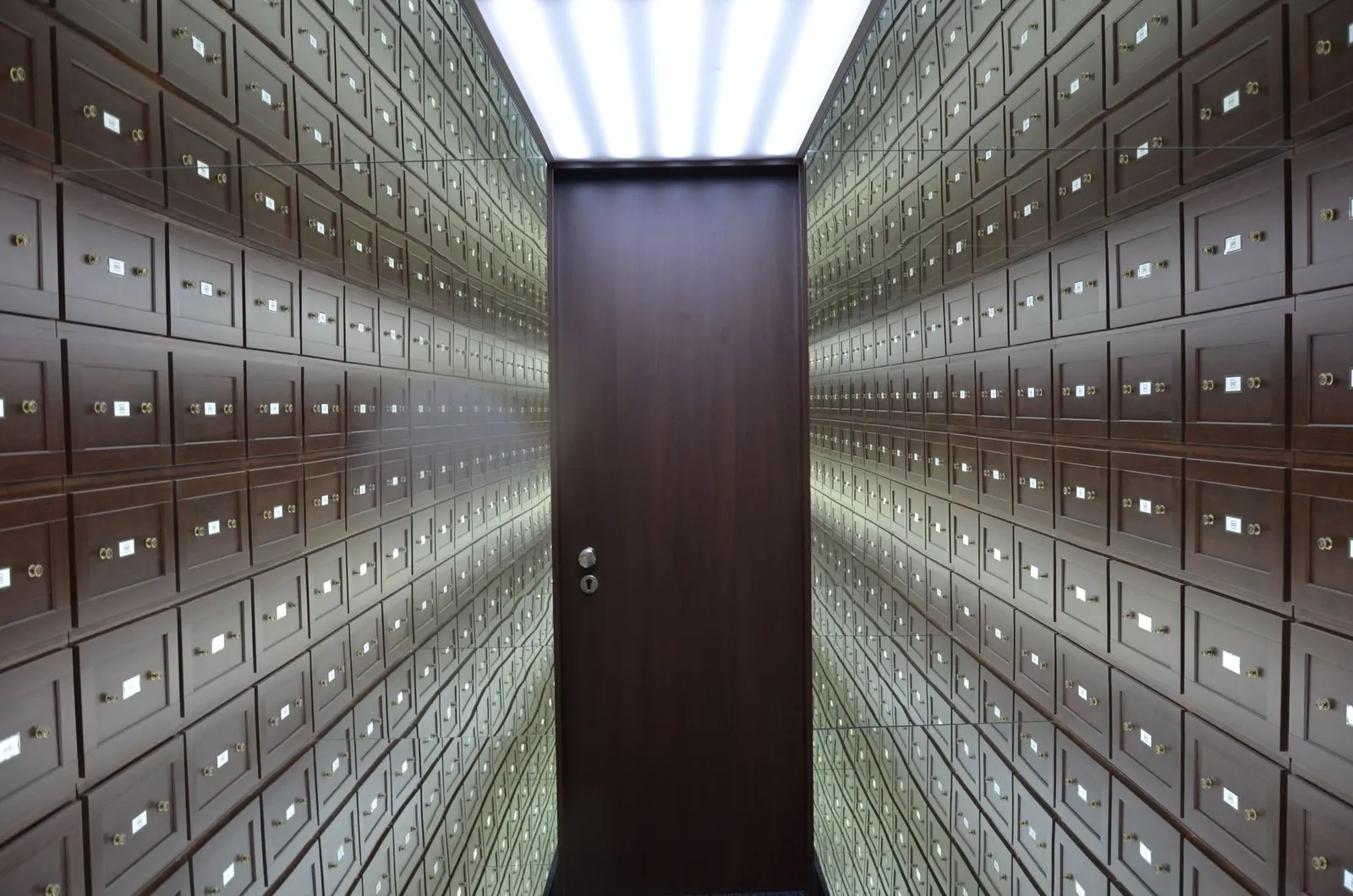
It is built for branch doors, head office floors and data centre perimeters, where every entry has to be logged for the regulator.

Built for airports
It is built for staff and contractor access to zones where a card on its own is not enough proof of who is at the door.

Built for government sites
It is built to run across many sites from one central platform, which is how government organisations already use it.
Built for critical infrastructure
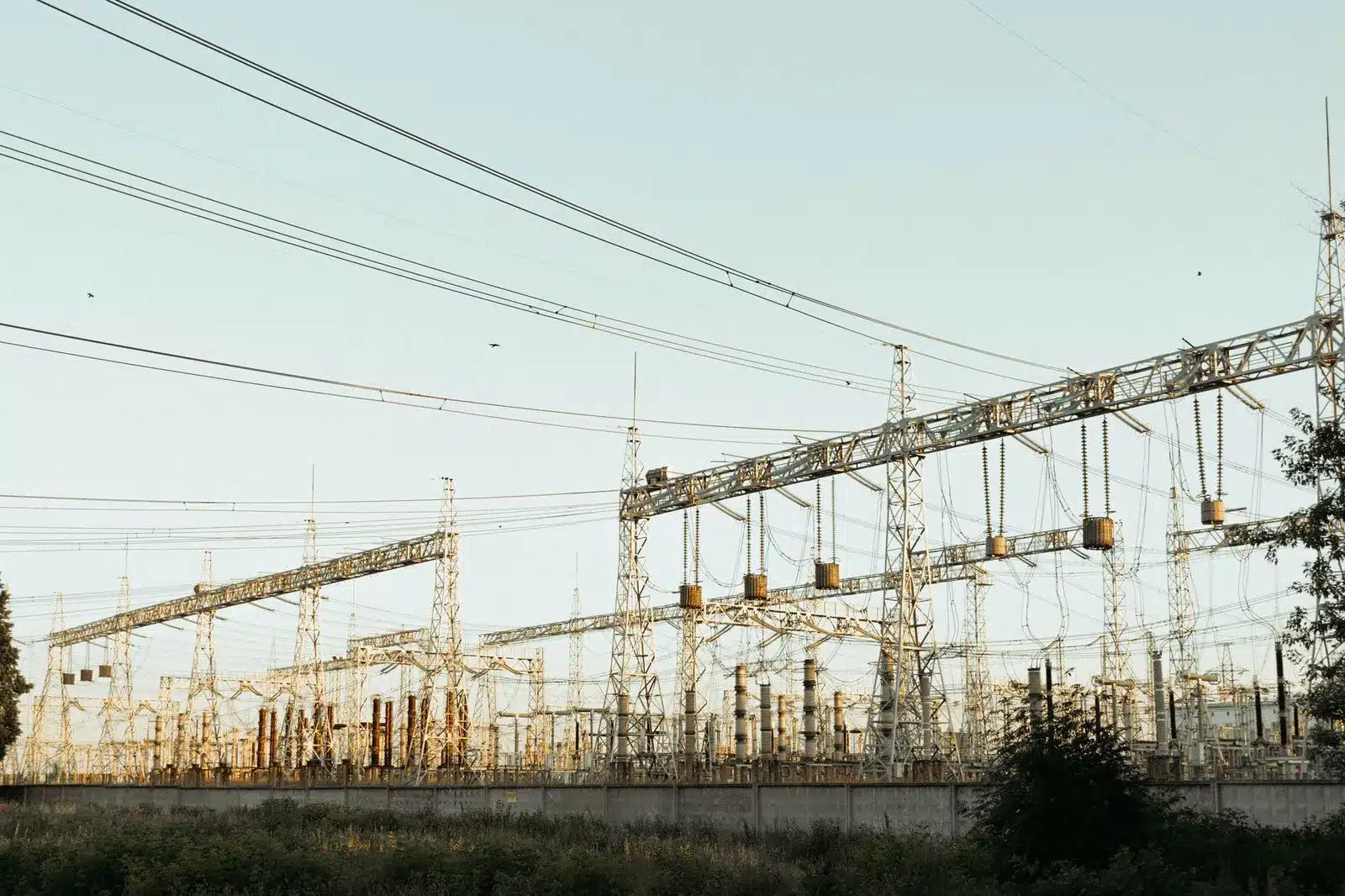
It is built for ports, utilities and transport hubs that run an OSDP access control platform and want a face check added to it.

Built for industry
It is built for plants and offices with mixed workforces of staff, contractors and visitors on the same doors.
Deployments
Built for sites that cannot fail
Two deployments show the kind of work we do, and what follows answers what a security and compliance review asks.

IFIC Bank
What we built
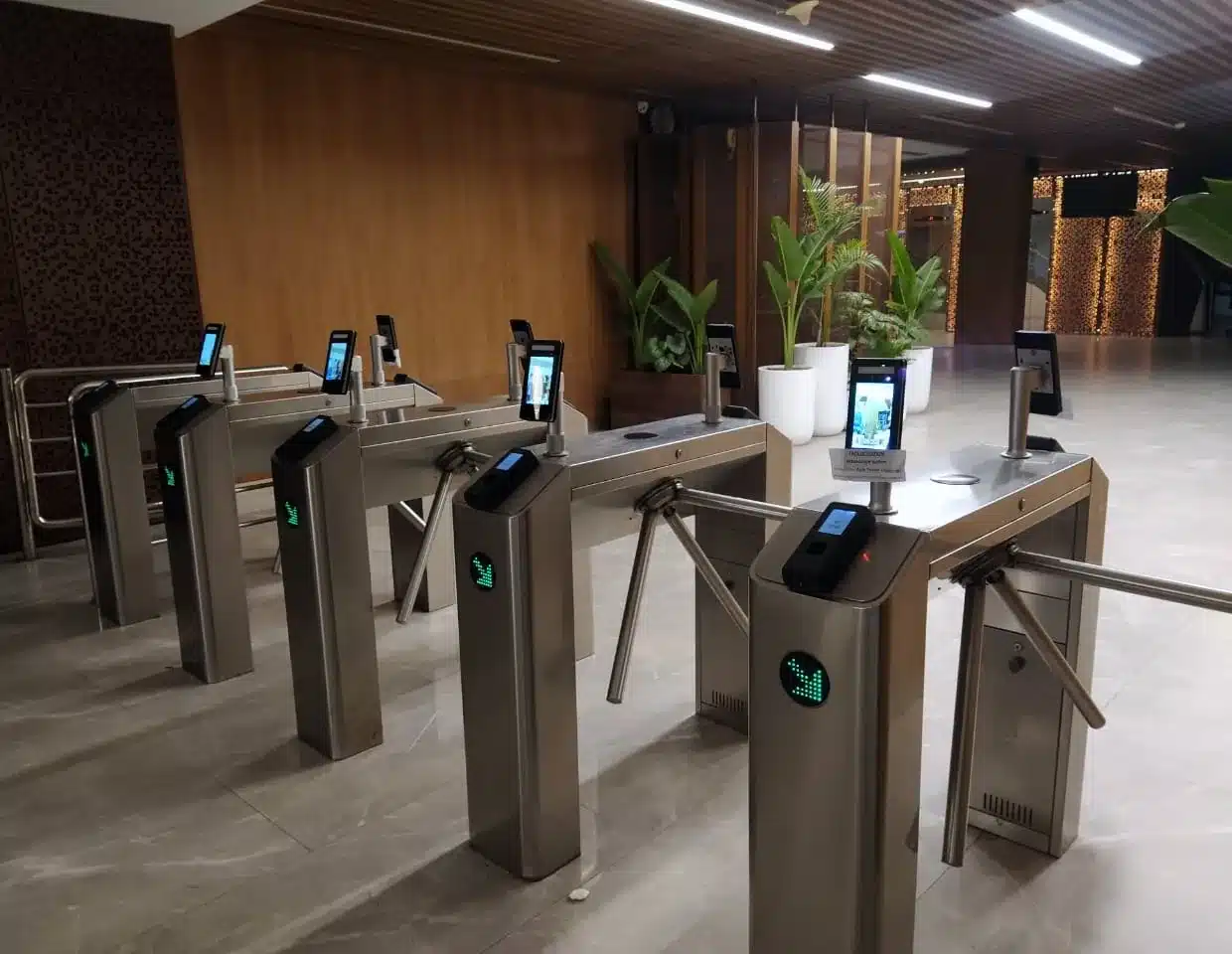
Ten Tipsoi readers now work alongside more than fifty HID readers on one centralised platform, on the bank's own secure internal network and integrated with the bank's own ERP system.
What it proves
We can add our readers to a security estate a bank has already bought and unify it, instead of asking the bank to replace equipment that works.
BRAC Bank
What we built
701 Tipsoi devices across 527 locations for more than 12,000 staff, on premises in the bank's own data centre and integrated with the bank's ERP system.
What it proves
A credential is revoked across every location in 60 seconds, every entry leaves a real-time audit trail, and the bank has recorded no unauthorised access since the system went live.
Our own engineering behind both
Both deployments run on readers, firmware and software we designed and manufactured ourselves, so a fix at firmware level comes from us and not from a third-party hardware supplier.
Both run inside the client's own network, on hardware and software we built ourselves.
Tipsoi's clients also include Turkish Airlines, staff access at its Dhaka operations.